What is schizophrenia?
Schizophrenia is a serious mental disorder in which people interpret reality abnormally.
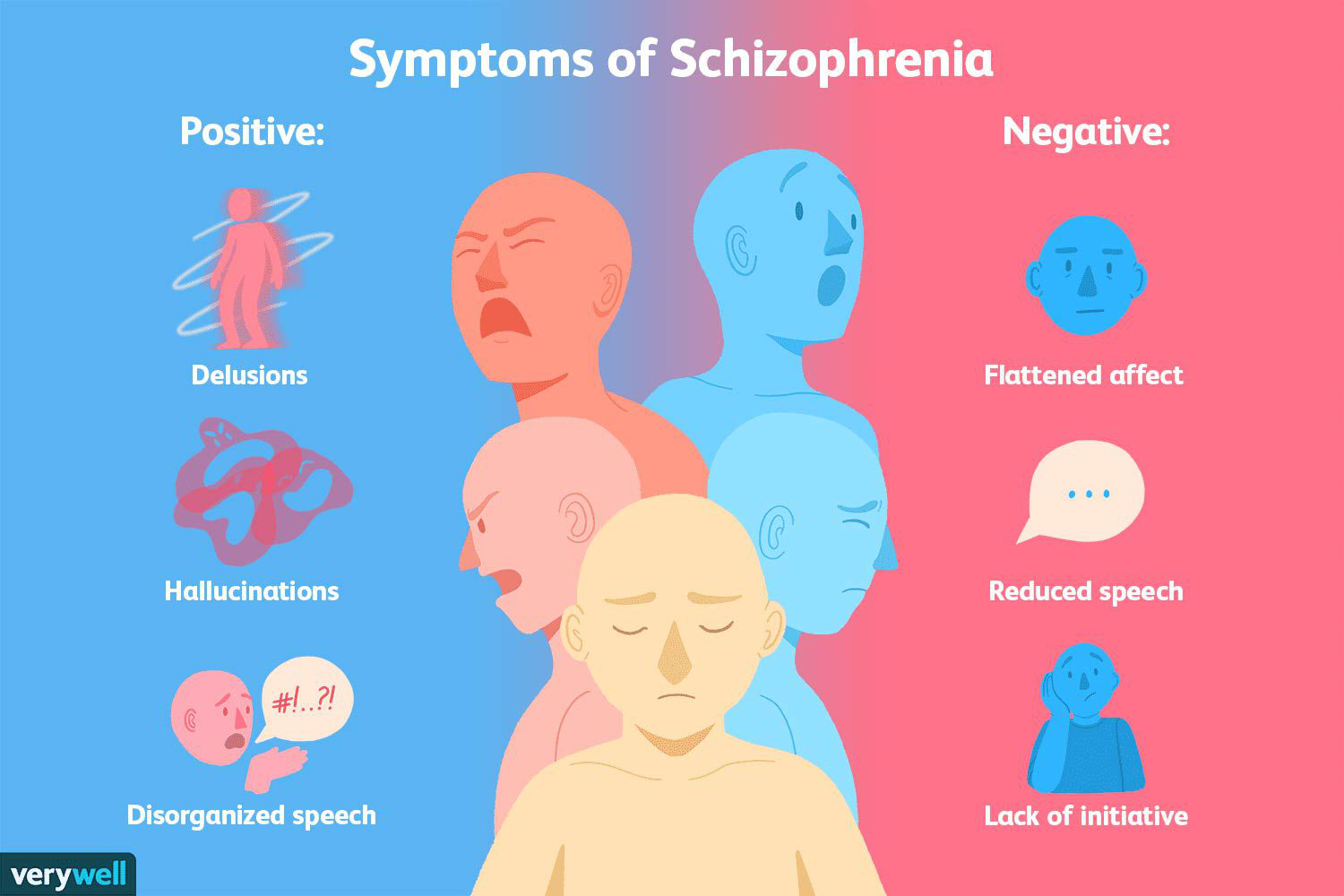
Schizophrenia may result in some combination of hallucinations, delusions, and extremely disordered thinking and behavior that impairs daily functioning, and can be disabling.
People with schizophrenia require lifelong treatment. Early treatment may help get symptoms under control before serious complications develop and may help improve the long-term outlook.
The complexity of schizophrenia may help explain why there are misconceptions about the disease. Schizophrenia does not mean split personality or multiple-personality. Most people with schizophrenia are not any more dangerous or violent than people in the general population. While limited mental health resources in the community may lead to homelessness and frequent hospitalizations, it is a misconception that people with schizophrenia end up homeless or living in hospitals. Most people with schizophrenia live with their family, in group homes or on their own.
Schizophrenia may result in some combination of hallucinations, delusions, and extremely disordered thinking and behavior that impairs daily functioning, and can be disabling.
People with schizophrenia require lifelong treatment. Early treatment may help get symptoms under control before serious complications develop and may help improve the long-term outlook.
The complexity of schizophrenia may help explain why there are misconceptions about the disease. Schizophrenia does not mean split personality or multiple-personality. Most people with schizophrenia are not any more dangerous or violent than people in the general population. While limited mental health resources in the community may lead to homelessness and frequent hospitalizations, it is a misconception that people with schizophrenia end up homeless or living in hospitals. Most people with schizophrenia live with their family, in group homes or on their own.