Depression

What is depression?
Depression is a very common disorder that can be classified as a kind of mood disorder. It may be described as feelings of sadness, loss, or anger that interfere with our everyday activities.

It’s important to realize that feeling down at times is a normal part of life. Sad and upsetting events happen to everyone. But if you’re feeling down or hopeless on a regular basis, you could be dealing with depression.
Depression is considered a serious medical condition that can get worse without proper treatment.
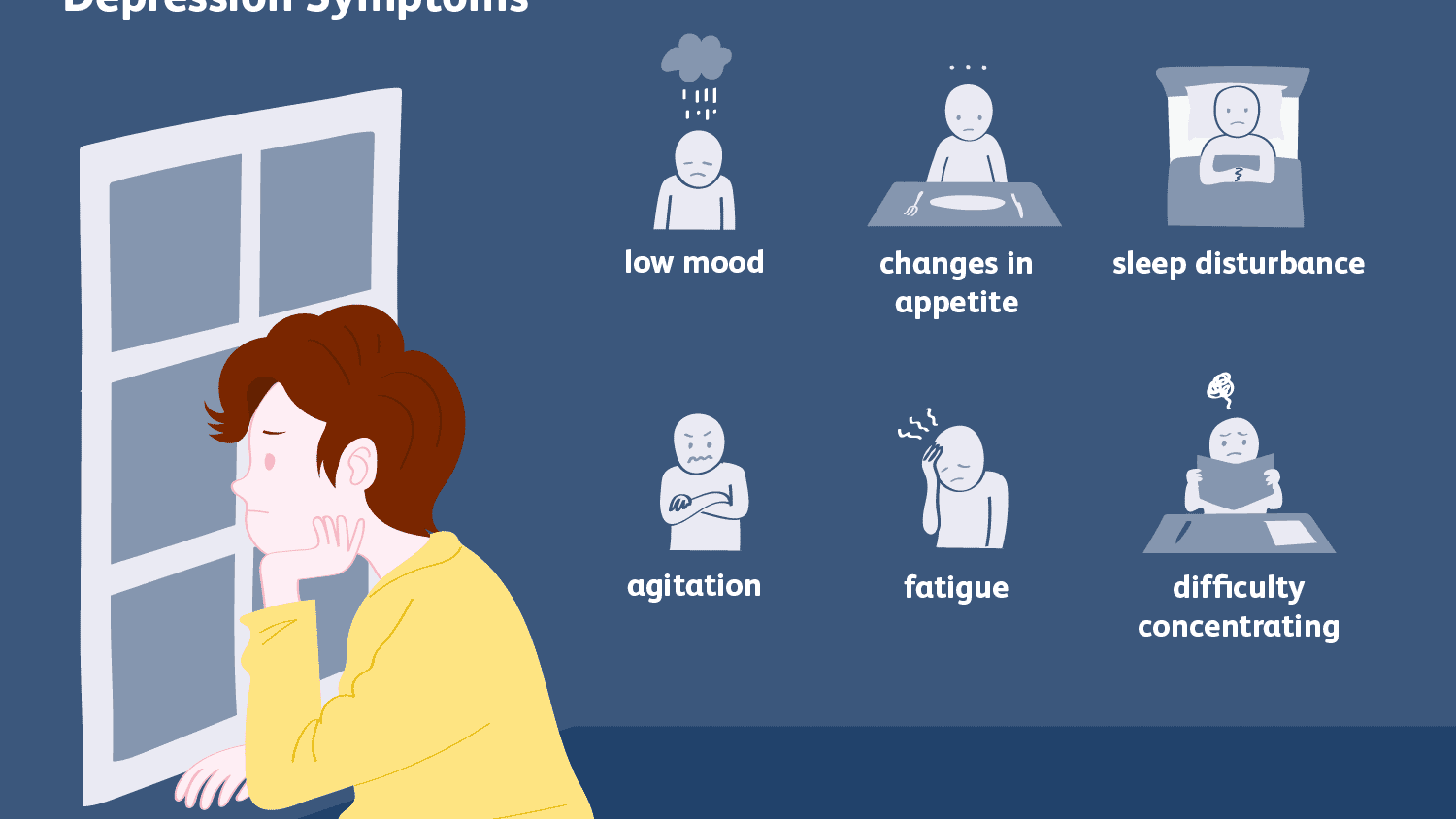
What are the general symptoms?

Not everyone with depression will experience the same symptoms. Symptoms can vary in severity, how often they happen, and how long they last.
But there are certain symptoms in general that you can look out for:

What causes depression?
There are Several Causes for feeling depressed but most common ones include:

1) Brain chemistry: There may be a chemical imbalance in parts of the brain that manage mood, thoughts, sleep, appetite, and behavior in people who have depression.
2) Hormone levels: Changes in female hormones estrogen and progesterone during different periods of time like during the menstrual cycle, postpartum period, perimenopause, or menopause may all raise a person’s risk for depression.
3) Family history: You’re at a higher risk for developing depression if you have a family history of depression or another mood disorder.
4) Early childhood trauma: Some events affect the way your body reacts to fear and stressful situations.
5) Substance abuse: A history of substance or alcohol misuse can affect your risk.
How is depression treated?
There are different forms of Cure to depression involving medication meditation psychotherapy:

1)Medications:
(a)Selective serotonin reuptake inhibitors (SSRIs): SSRIs are the most commonly prescribed antidepressant medications and tend to have few side effects. They treat depression by increasing the availability of the neurotransmitter serotonin in your brain.
(b)Serotonin and norepinephrine reuptake inhibitors (SNRIs): SNRIs treat depression by increasing the amount of the neurotransmitters serotonin and norepinephrine in your brain.

There are several other Medications available and Each Contains its own benefits and potential risks.
Consult a Medical Practitioner before taking up any of these medications.

2)Psychotherapy:
Speaking with a therapist can help you learn skills to cope with negative feelings. You may also benefit from family or group therapy sessions.
Psychotherapy, also known as “talk therapy,” is when a person speaks to a trained therapist to identify and learn to cope with the factors that contribute to their mental health condition, such as depression.
Psychotherapy has been shown to be an effective treatment in improving symptoms in people with depression and other psychiatric disorders.
NGO's willing to help.
Various Non Profit Organizations as well as NGO's providing counselling and resources for anxiety.
Some of these centres are: